
Rejection and Social Anxiety: Why It Hurts So Much More (and How to Recover)

Founder, TranquiLove · Est. 2017 · Researcher & writer on social anxiety and dating
Rejection is hard for everyone. But when you have social anxiety, it hits differently, and there are real psychological reasons why. Here's how to understand it and move through it.
Someone didn't text back. A date went well and then they said they didn't feel a connection. A match unmatched you without explanation.
For most people, this stings. For someone with social anxiety, it can feel like confirmation of every fear they've ever had about themselves.
You know, intellectually, that one person's disinterest doesn't mean you're unlovable. But knowing something intellectually and feeling it are very different things. And in the hours and days after a rejection, the feeling tends to win.
Why rejection hits harder with social anxiety
People with social anxiety are often hypervigilant to social signals. They've spent years scanning their environment for signs of disapproval, judgment, or rejection, often as a protective mechanism developed early in life.
This hypervigilance means that when rejection does come, it's not just processed as "this specific person wasn't interested." It's processed as data that confirms the worst things you've always suspected about yourself.
It also tends to trigger what psychologists call post-event processing, an extended period of replaying the interaction, analysing what went wrong, and catastrophising about what it means for the future.
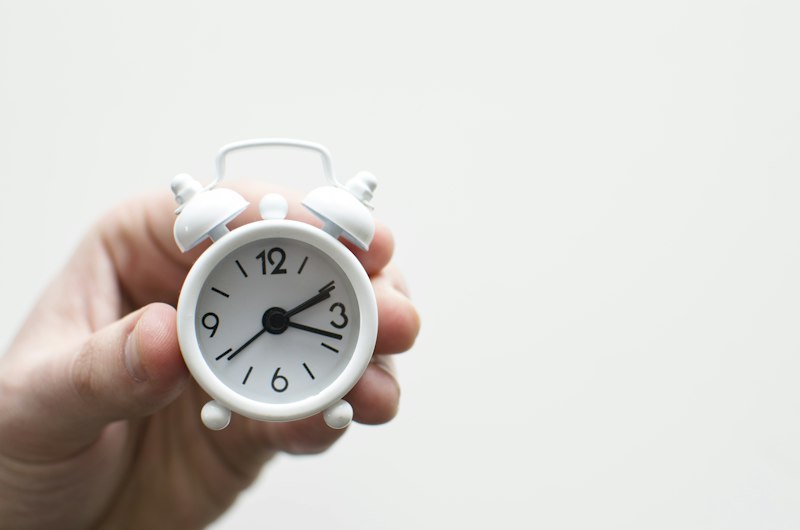
The 24-Hour Rule
We teach something called the 24-Hour Rule at TranquiLove, and it's one of the most consistently helpful things we've shared.
For the first 24 hours after a rejection, you are not allowed to draw any conclusions about yourself. You are allowed to feel the feelings, sadness, disappointment, frustration. But you are not allowed to turn those feelings into stories about who you are.
"I feel sad" is allowed. "I'm unlovable" is not.
After 24 hours, you can revisit. Often, the story has softened considerably on its own.
What rejection actually means
Rejection in dating almost never means what we think it means. It rarely means "you are fundamentally flawed." It usually means one of these things:
The timing wasn't right. The fit wasn't there. They were dealing with something that had nothing to do with you. They were looking for something specific that you weren't.
None of these are about your worth. They're about compatibility, and compatibility is something you find, not something you perform your way into.
Every rejection is moving you closer to someone who is actually right for you. That's not a platitude. It's just how the numbers work.
For more on building resilience after rejection, read [How to Stop Overthinking After a Date](/blog/how-to-stop-overthinking-after-a-date). And if you want to understand the attachment patterns that make rejection feel so catastrophic, [Attachment Theory and Dating Anxiety](/blog/attachment-theory-and-dating-anxiety-what-your-attachment-style-is-doing-to-your-dates) is worth reading.